On the Arena.
The arena is not about publicity. It is not about proving something to an audience. It is about proximity to consequence — putting yourself in a position where the outcome is real, where you cannot narrate your way out of what happens next.
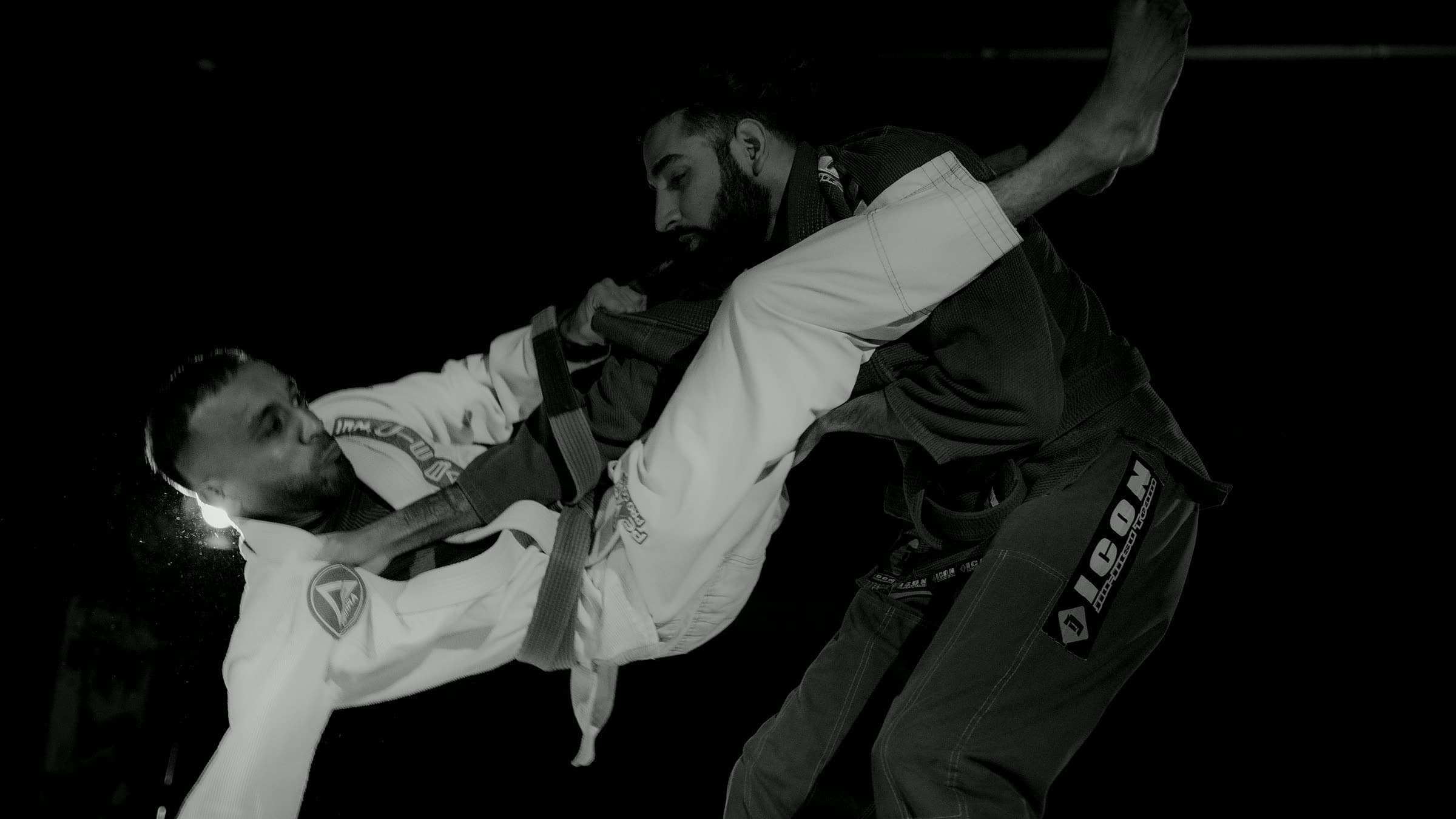
I invited my family to watch my super fight. The gym was full. People I cared about were in the seats. And then I got submitted.
Not outclassed — caught. A moment of inattention, a grip I did not respect quickly enough, and I was tapping before I had time to feel embarrassed. The embarrassment came later, on the drive home, in the silence where the replaying begins.
But here is what I learned: the loss was not the lesson. The lesson was that I had put myself there at all. That I had chosen to compete rather than just train. That I had let people I love watch me fail at something physical and public. The willingness to lose in front of people who matter — that is the arena. Everything else is training.
The same pattern showed up in building. I pitched a project too early — before the skill matched the vision, before I had the architecture to support what I was promising. It did not land. Not because the idea was wrong, but because I was not yet the person who could execute it.
So I spent a year in the lab. Building skill. Building taste. Building the kind of quiet confidence that comes from shipping things that actually work, even if nobody sees them. And then I came back to the same arena — the same market, the same standard — and this time the work spoke for itself.
The year in between was not retreat. It was preparation. The arena does not care about your timeline. It only cares whether you are ready when you step back in.
There is a difference between skin in the game and sitting in the stands. Everyone in the stands has an opinion. Everyone in the stands can see what went wrong. But none of them are risking anything. None of them have the ego on the line, the reputation exposed, the body or the work in a position where it can actually fail.
The ego is what blocks people from stepping in. Not fear of pain. Not fear of loss. Fear of being seen losing. Fear of the story changing from “I could if I wanted to” to “I tried and I fell short.”
Stepping in is the hardest part. Once you are inside, the thinking stops and the doing begins. The arena does not reward observers. It barely notices them. It only registers the people who chose consequence over commentary.
Stepping in is the hardest part. Once you are inside, the thinking stops and the doing begins. The arena does not reward observers. It barely notices them.
06 / 25 · On the Arena — An opening, three movements, one step in
The opening paragraph defines the arena before any story starts: proximity to consequence, not publicity.
I lose in front of the people I care about first, so the lesson can be that I stepped in at all, not that I lost.
The second movement runs the same pattern through building: too early, a year in the lab, then back to the same standard.
Skin in the game is set against the stands, where nobody risks anything and the fear is of being seen losing.
The last paragraph states the rule the essay was built to reach: once you are inside, the thinking stops and the doing begins.
Plain hairlines cut the page into an opening and three movements; there is no bespoke motif, only the cut.
The pull quote repeats the last paragraph and drops its final sentence, so the essay ends on an arena that barely notices observers.
No strand leaves the body; one comes back in, from On Luck, which names the second movement as the risk I could afford.
One reflection orbits it on the constellation and restates the second movement: half-commitment has a cost.